There are moments in a country’s life when silence feels easier.
You stay home.
You shake your head at the news.
You say to yourself, “This isn’t right,” and then you move on with your day.
No judgment.
We’ve all done it.
But there are other moments—rarer, more consequential—when silence starts to feel like something else.
Like agreement.
Like permission.
Like the slow, quiet surrender of things that matter.
This Saturday is not a normal Saturday.
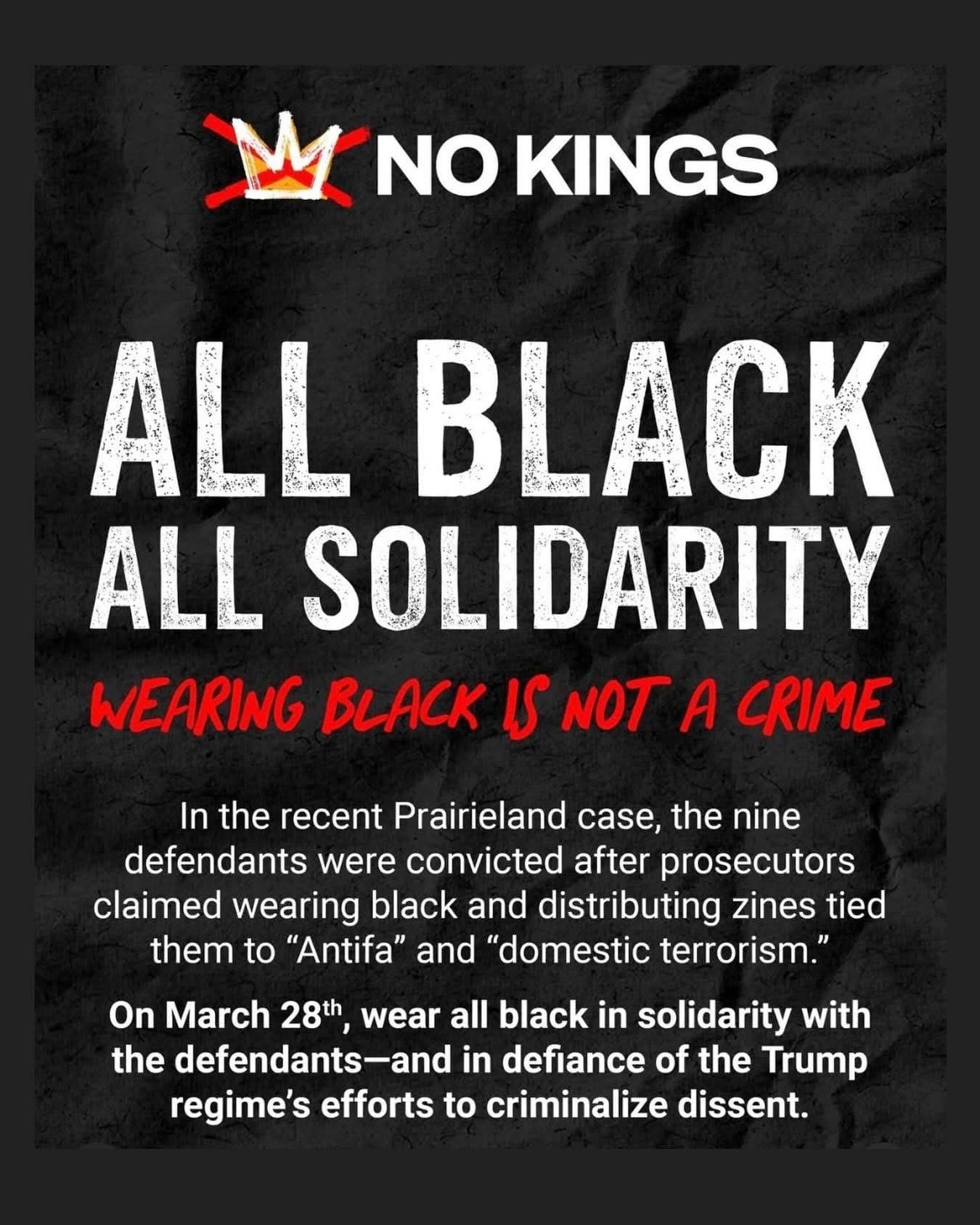
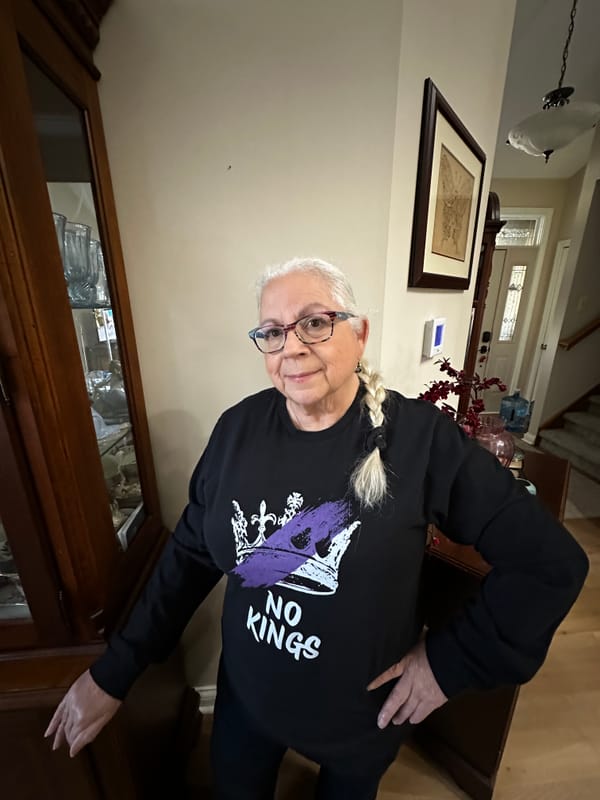
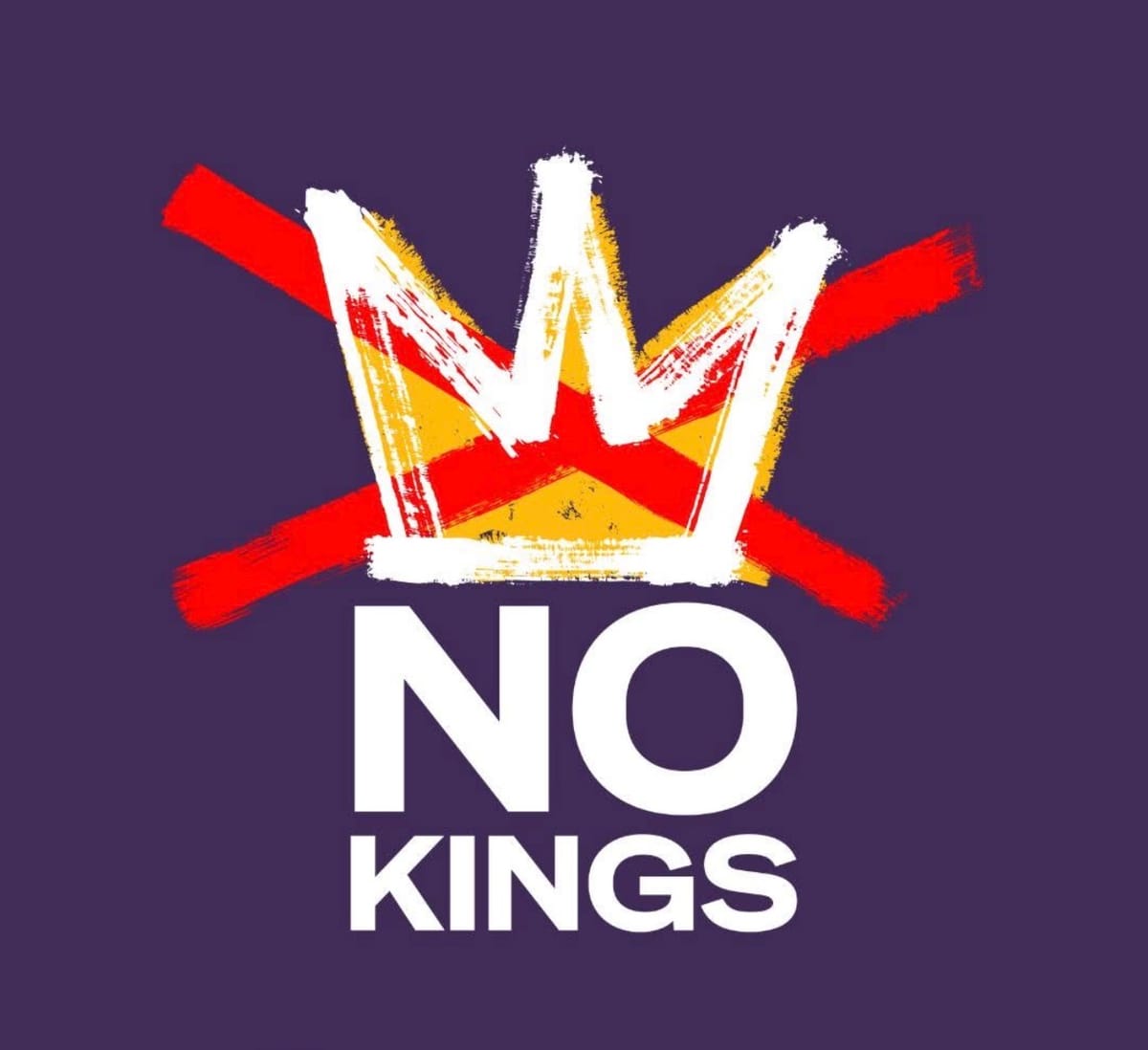
Across the country, people will gather for what’s being called the “No Kings” protests.
Not because we are dramatic.
Not because we are bored.
Not because we’ve run out of hobbies.
But because something in the air feels off.
And when something feels off in a democracy, the most American thing you can do is stand up and say so.
The phrase “No Kings” is not about theatrics.
It’s about memory.
It’s about the understanding—hard-won and centuries old—that this country was built on the rejection of unchecked power.
That no one person is above the law.
That leadership is not ownership.
That authority must answer to the people—not the other way around.
We forget that sometimes.
Or maybe we don’t forget.
Maybe we just get tired.
Tired of the noise.
Tired of the division.
Tired of trying to sort truth from performance.
And so we step back.
Which is human.
But stepping back, over time, creates space.
And power has a way of expanding to fill empty space.
That’s where protest comes in.
Not as chaos.
Not as spectacle.
But as presence.
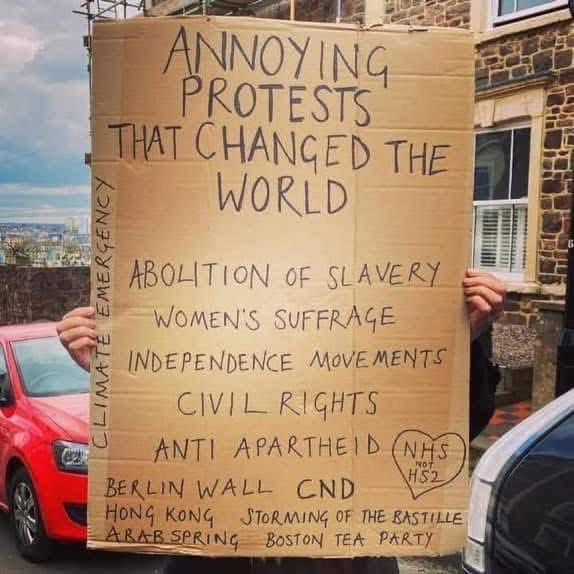
Peaceful protest is one of the clearest ways ordinary people remind a government—any government—that we are still here.
Still watching.
Still thinking.
Still participating.
It is not about hating a country.
It is about loving it enough to hold it accountable.
It is about standing next to people you may not know, but with whom you share a simple belief:
That this experiment in self-governance is worth protecting.
There is something quietly powerful about that.
No speeches required.
No perfect words needed.
Just showing up.
There are practical benefits, too—though we don’t always talk about them.
Protest shifts the narrative.
It signals to leaders, to media, to neighbors, and to history itself that people are paying attention.
It breaks the illusion that “everyone is fine with this.”
Because often, that illusion is what allows overreach to continue.
And on a more personal level, it changes something inside you.
You move from observer… to participant.
From frustrated… to engaged.
From isolated… to connected.
You remember that democracy is not something you watch.
It’s something you do.
I will be in Indianapolis, adding my voice to the “No Kings” march.
Not because I think one march fixes everything.
But because I believe in the cumulative power of people who care enough to show up.
If you’ve been feeling that quiet tug—the sense that you should be paying attention, maybe doing a little more—this is an invitation.
Find a group near you.
Stand for an hour.
Walk for a mile.
Hold a sign, or don’t.
It doesn’t have to be perfect.
It just has to be real.
And if marching isn’t possible for you, there are still ways to participate.
Read.
Stay informed.
Support organizations doing the work.
Have conversations that matter.
Engagement takes many forms.
But indifference… only takes one.
We are not subjects.
We are citizens.
And sometimes, the most important thing a citizen can do is be seen.
If this resonates, share it with someone who’s been quietly wondering what they can do.
And if you’re not already part of this community, you can subscribe here:
No algorithms.
No noise.
Just thoughtful people navigating a complicated world.
Julie Bolejack, MBA
Mindful Activist
📢 What we’re protesting — plain and direct
🧍♀️ Women’s rights & bodily autonomy
• The overturning of Roe v. Wade
• State-level abortion bans and restrictions
• Efforts to limit access to medication abortion
• Threats to contraception access
• Concerns about IVF and fertility treatment restrictions
• Rising maternal mortality rates in the U.S.
• Lack of federal protections for reproductive healthcare
🗳️ Voting rights & democracy
• Efforts to restrict voter access and registration
• Support for stricter voting laws that disproportionately impact certain groups
• Continued claims undermining trust in election results
• The events surrounding January 6 Capitol attack
• Rhetoric that questions peaceful transfer of power
⚖️ Rule of law & accountability
• Multiple indictments and legal cases involving Donald Trump
• Concerns about executive overreach
• Public attacks on judges, prosecutors, and the judicial system
• Calls for political retaliation
👩👧 Families, healthcare & social safety nets
• Attempts to repeal or weaken the Affordable Care Act
• Lack of progress on paid family leave
• High healthcare costs and prescription drug issues
• Childcare affordability crisis
👩⚖️ Gender equality & workplace issues
• Pay gaps that continue to affect women
• Lack of federal protections for equal pay enforcement
• Workplace protections for pregnant workers
• Limited support for caregivers (who are disproportionately women)
🌎 Immigration & human rights
• Family separations at the border
• Detention conditions for migrants
• Policies affecting asylum seekers
• Rhetoric toward immigrants and refugees
🌍 Climate & environmental concerns
• Withdrawal from Paris Climate Agreement (later rejoined, but still a concern for many)
• Rollbacks of environmental protections
• Lack of aggressive climate action
🏳️🌈 Civil rights
• Concerns about protections for LGBTQ+ individuals
• Policies affecting transgender Americans
• Broader civil rights protections under threat
💵 Economic pressures hitting women hardest
• Inflation impacts on households
• Lack of wage growth relative to cost of living
• Retirement insecurity (especially for older women)
• Healthcare and long-term care costs
🗂️ EPSTEIN file cover up
💣 WAR