What Happens When Nothing Is Sacred?
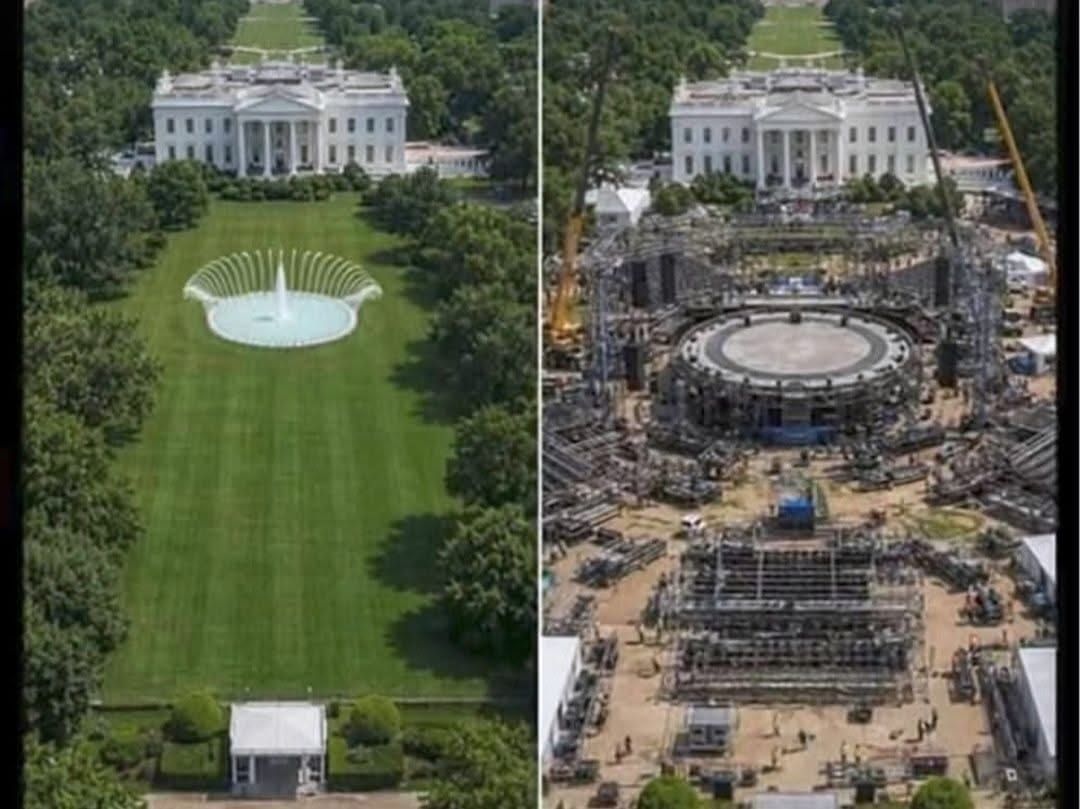
There was a time when most Americans understood that some places, traditions, and moments deserved a different kind of treatment.
You didn’t have to agree with everyone around you.
You didn’t have to share the same political party, religious beliefs, or worldview.
But there were certain spaces where the volume came down and respect took its place.
A funeral.
A cemetery.
A courtroom.
A library.
A house of worship.
A memorial honoring those who served.
The peaceful transfer of power.
The institutions that help hold a society together.
These places and traditions were not considered sacred because they were perfect. They were considered sacred because they represented something larger than any individual. They reminded us that we belong to something beyond ourselves.
Lately, I find myself wondering what happens when we lose that understanding.
What happens when everything becomes a battleground?
What happens when every institution is viewed only through the lens of whether it serves our side or frustrates our goals?
What happens when respect becomes conditional?
I don’t ask these questions as a historian or political scientist. I ask them as a citizen. As a mother. As a grandmother. As someone who cares deeply about the future of this country.
The strength of a society is not measured by whether its people agree. In a healthy democracy, disagreement is expected. It is even necessary.
The strength of a society is measured by whether its people can disagree while still honoring the foundations that allow them to live together.
That distinction matters.
There is a difference between criticism and contempt.
Criticism seeks improvement.
Contempt seeks destruction.
Criticism says, “This institution can do better.”
Contempt says, “This institution deserves no respect at all.”
One strengthens a democracy. The other weakens it.
We should absolutely question authority. We should challenge injustice. We should demand accountability from leaders and institutions alike.
But we should also recognize that once people stop believing in the value of institutions altogether, something important begins to erode.
Trust disappears.
Shared norms disappear.
The sense that we are all operating within the same framework disappears.
When that happens, every issue becomes a fight for dominance rather than a search for solutions.
The truth is that every generation inherits institutions that are imperfect. Ours is no exception.
Schools make mistakes.
Courts make mistakes.
Governments make mistakes.
Religious organizations make mistakes.
The media makes mistakes.
Human beings are involved, so imperfections are inevitable.
Yet despite those imperfections, these institutions provide structure and continuity. They create a framework that allows millions of people to coexist without chaos.
When we stop seeing any value in them, we risk creating a vacuum that is difficult to fill.
History offers plenty of examples of societies that became so cynical, so divided, and so distrustful that they lost their ability to govern themselves effectively. The collapse rarely begins with a dramatic event. It begins with a gradual loss of faith in the things that once connected people to one another.
A society can survive disagreement.
A society can survive conflict.
A society can even survive periods of profound change.
What it struggles to survive is the belief that nothing deserves our respect.
Because when nothing is sacred, everything becomes disposable.
Promises become disposable.
Truth becomes disposable.
Relationships become disposable.
Institutions become disposable.
Even people become disposable.
And once we start treating everything as disposable, we should not be surprised when we find ourselves feeling disconnected, cynical, and alone.
I am not suggesting that we place institutions beyond criticism. Quite the opposite.
I am suggesting that we remember why they exist.
That we distinguish between reform and destruction.
That we teach younger generations that respect and accountability can coexist.
That we recognize the difference between disagreement and disdain.
Most importantly, I hope we remember that a nation is more than a collection of laws, policies, and elections.
A nation is a shared story.
A shared commitment.
A shared belief that some things are worth preserving even when they are imperfect.
Perhaps that is what being a citizen ultimately requires of us—not blind loyalty, but thoughtful stewardship.
The willingness to care for what we have inherited while working to make it better.
Because if we lose the ability to recognize what is sacred, we may eventually discover that we have lost more than we intended.
We may discover that we have lost the very things that were holding us together.
—
Julie Bolejack, MBA
The Mindful Activist
Helping people stay human in a noisy world. Because you don’t need a new life—you need a new relationship with the one you have.
subscribe to avoid the overlords and algorithms at julies-journal.ghost.io


