When Someone Shows You Who They Are, Believe Them
There is a peculiar ritual in American politics that repeats itself with the reliability of a bad flu season. A demagogue reveals exactly who he is. He says it out loud. He does it in public. He builds a movement around it. And then—when the consequences become too ugly to ignore—he puts on a different tie, uses a softer voice, and the professional class rushes in to announce that he has changed.
Let me save us all some time.
The Trump administration is not changing its white supremacist strategy. It is changing its messaging.
Those are not the same thing.
We are about to be treated to a familiar performance: the Great Rebrand. A few phrases will be retired. A few monsters will be told to keep their mouths shut in public. A few carefully staged moments will be offered to the cameras. The word “unity” will be dusted off like an antique. And an astonishing number of people—some in the media, some in politics, some in polite society—will breathe a sigh of relief and say, “See? He’s pivoting.”
No. He’s laundering.
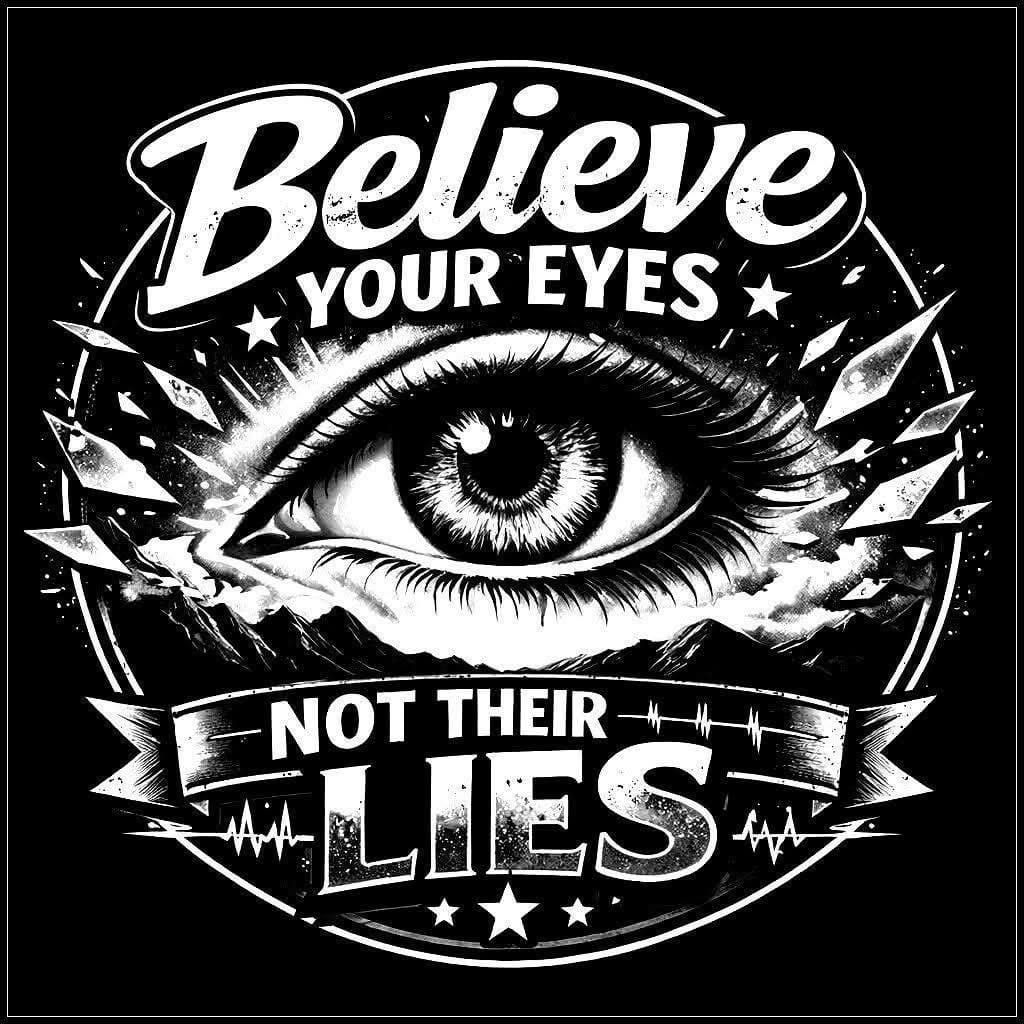
When someone shows you who they are, believe them. Maya Angelou didn’t add a footnote that says, “Unless they hire better PR.”
This movement did not accidentally attract white supremacists. It did not accidentally empower them. It did not accidentally echo their language, their obsessions, their enemies, their grievances. It courted them. It signaled to them. It used them. Over and over and over again.
And now that the damage is visible to even the most willfully blind, we are supposed to believe that the leopard has developed a sudden and heartfelt interest in vegetarianism.
Please.
This administration’s strategy has always been simple: divide, inflame, radicalize, then deny. Stoke fear about immigrants. Whisper about “replacement.” Turn neighbors into threats. Turn difference into danger. Turn cruelty into policy. Then, when the headlines get too bloody or the polls get too ugly, step back and say, “You’re misinterpreting us. That’s not what we meant.”
It is exactly what abusers do. Exactly what authoritarians do. Exactly what con artists do.
And the most depressing part is not that they are doing it again. It’s that so many people will fall for it again.
Some in the mainstream media will dutifully report the new tone as if tone were substance. They will quote the softer words without placing them next to the harder actions. They will frame this as a “reset” or a “pivot” or a “new chapter,” because access journalism is more comfortable than moral clarity.
Some so-called moderates will seize on this as permission to relax. To stop paying attention. To tell themselves that things are “cooling down.” That maybe we all overreacted. That maybe it’s time to move on.
But here is the inconvenient truth: you do not dismantle an ideology by changing the font.
Look at the policies. Look at who is empowered. Look at who is targeted. Look at who is protected. Look at who is dehumanized. Look at who is made afraid on purpose.
This is not a misunderstanding. This is not a communications problem. This is a project.
White supremacy does not always wear a hood. Sometimes it wears a flag pin. Sometimes it wears a suit. Sometimes it uses words like “heritage,” “order,” “real Americans,” and “law and order.” Sometimes it smiles for the camera.
But it is the same old poison.
And the danger right now is not just what this administration will do. The danger is how many people will be relieved enough by the performance of normalcy to stop resisting it.
Do not be hypnotized by the smoke screen.
Do not confuse quieter cruelty with kinder intentions.
Do not let professional liars convince you that the absence of a slur in a speech means the absence of a slur in a policy.
They are not changing. They are adapting.
And adaptation is what predators do when the environment gets hostile.
So let us be very clear-eyed. Let us be very stubborn. Let us be very hard to fool.
When someone shows you who they are—over years, over rallies, over policies, over bodies, over shattered families, over eroded rights—believe them.
And then act accordingly.
Because democracy does not die only from attacks. It also dies from exhaustion. From amnesia. From people who want to believe the lie because the truth requires too much courage.
We don’t have that luxury.
Not now. Not ever.
Julie Bolejack, MBA
Stay ahead of the algorithms, censors and overlords. Share and subscribe at julies-journal.ghost.io